
Children's World-Building

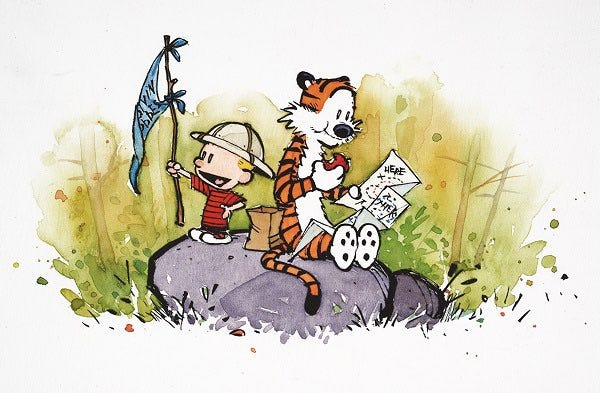
One of the most obvious tropes in children’s literature is imaginative world-building, drawn from precedents in Robinson Crusoe and Emile. For centuries, stories like The Adventures of Tom Sawyer, The Secret Garden, and Bridge to Terabithia have celebrated children’s self-reliance and their alternative visions of civilization. (Let’s skip over Lord of the Flies for the moment…) While this sort of literature has much in common with the larger set of “given” fantasy worlds (all those the Neverlands and Narnias that characters stumble into), I think it is worth specifying cases in which children engage in the construction themselves. Choosing the basis of one’s own society, taking seriously its customs, language, and style, implicates not only creativity but elements of responsibility, self-possession, friction, and risk—kind of like making one’s own dinner for the first time. Adults have frequently tried to encourage and simulate this type of imaginative play, but never very successfully.
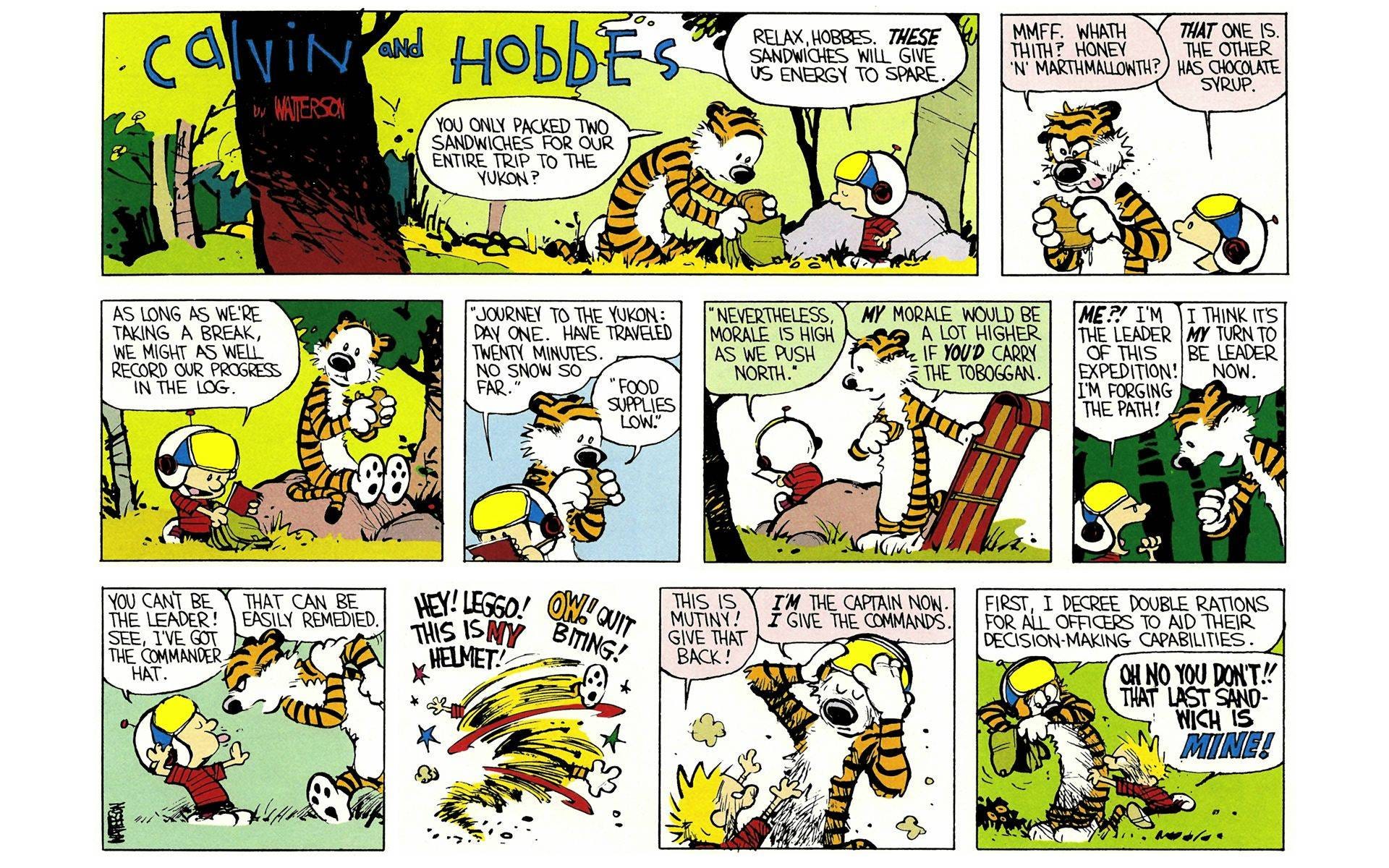
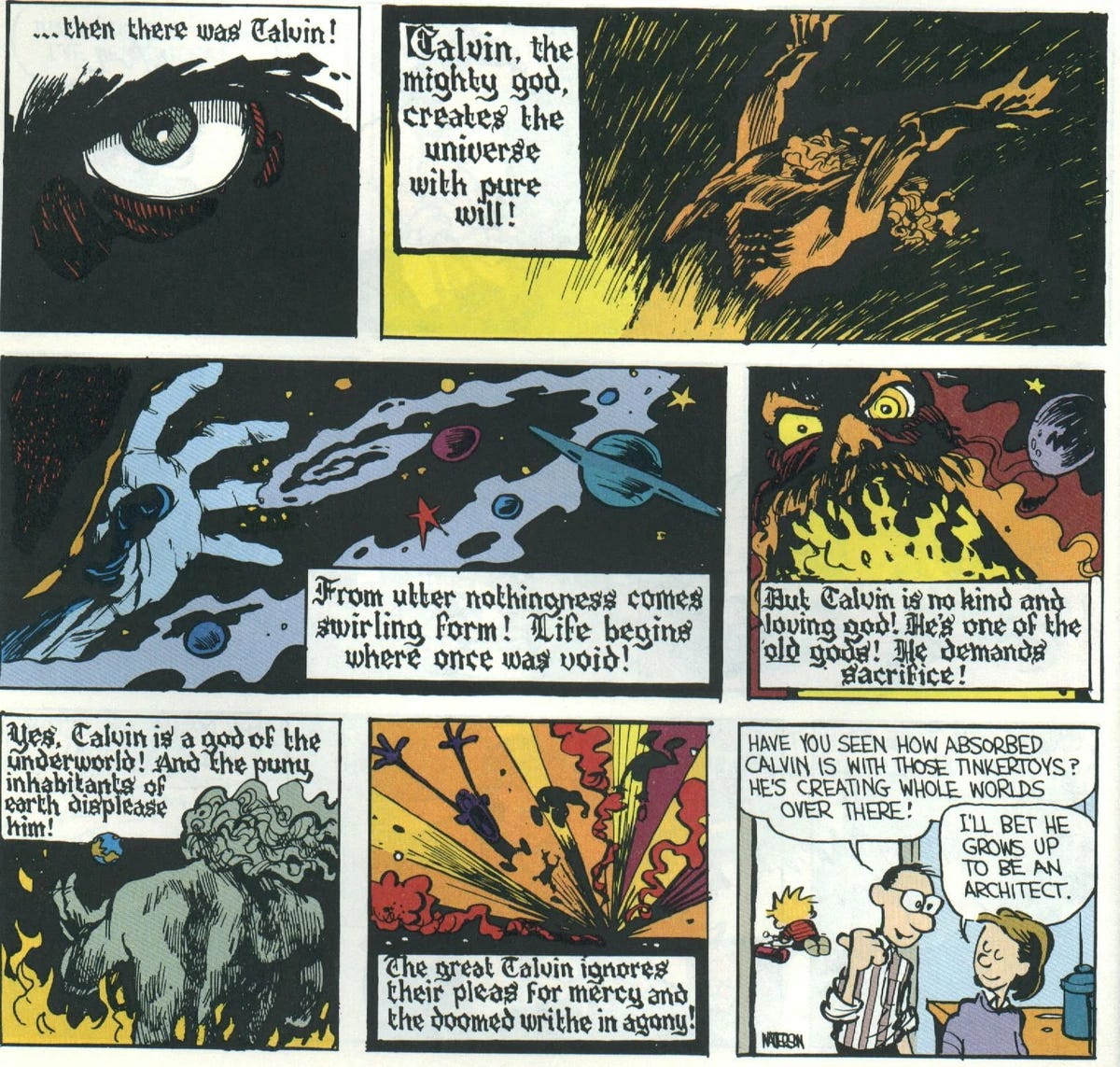
It is often this element of risk that makes Calvin and Hobbes interesting: far from a carefree fantasy world, Calvin’s imagination routinely gets him into scrapes, privations, and disagreements as he strives for accuracy and verisimilitude. Calvin never really matures (it is a weekly comic strip, after all), but there is usually some small epiphany by the end.
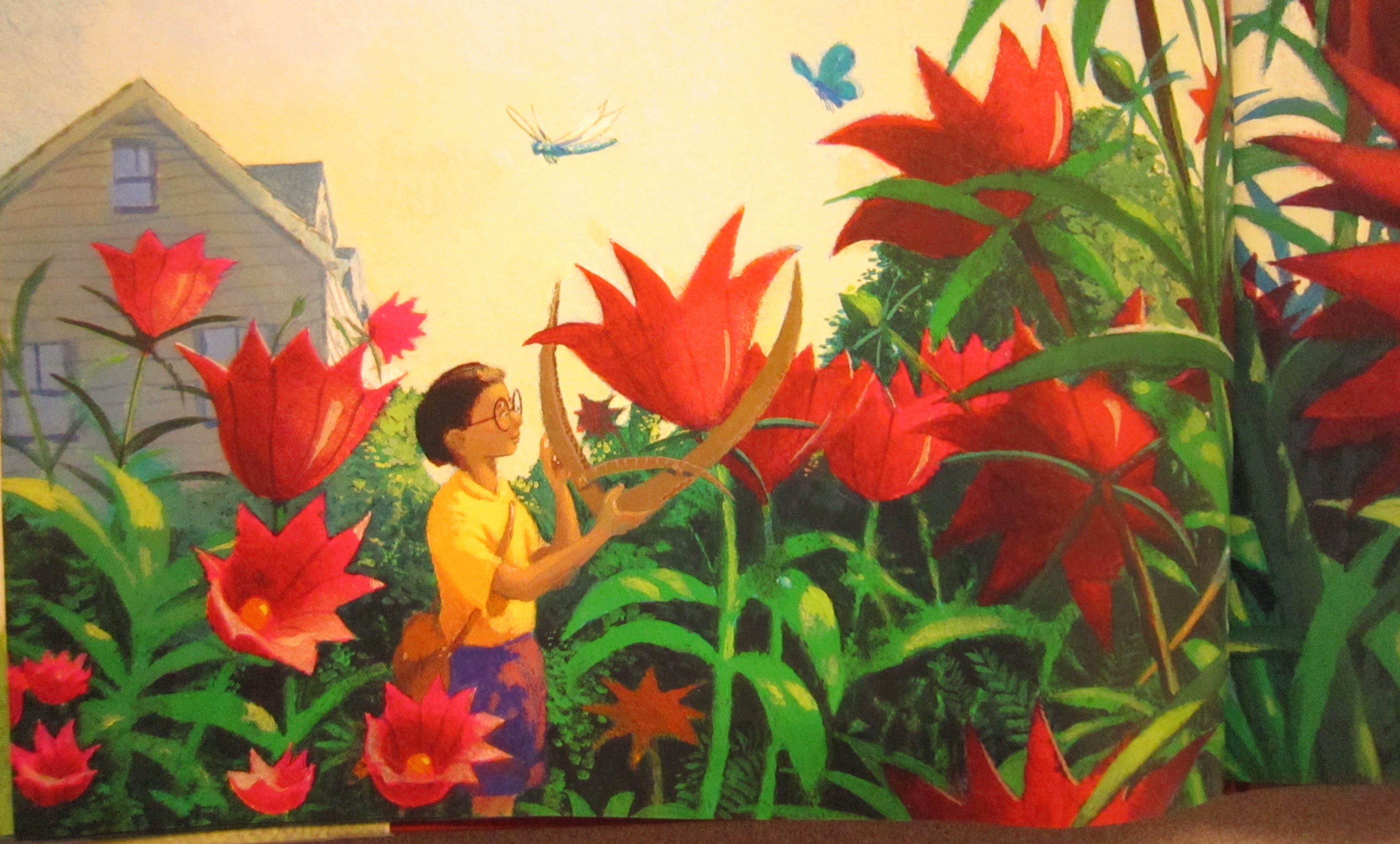
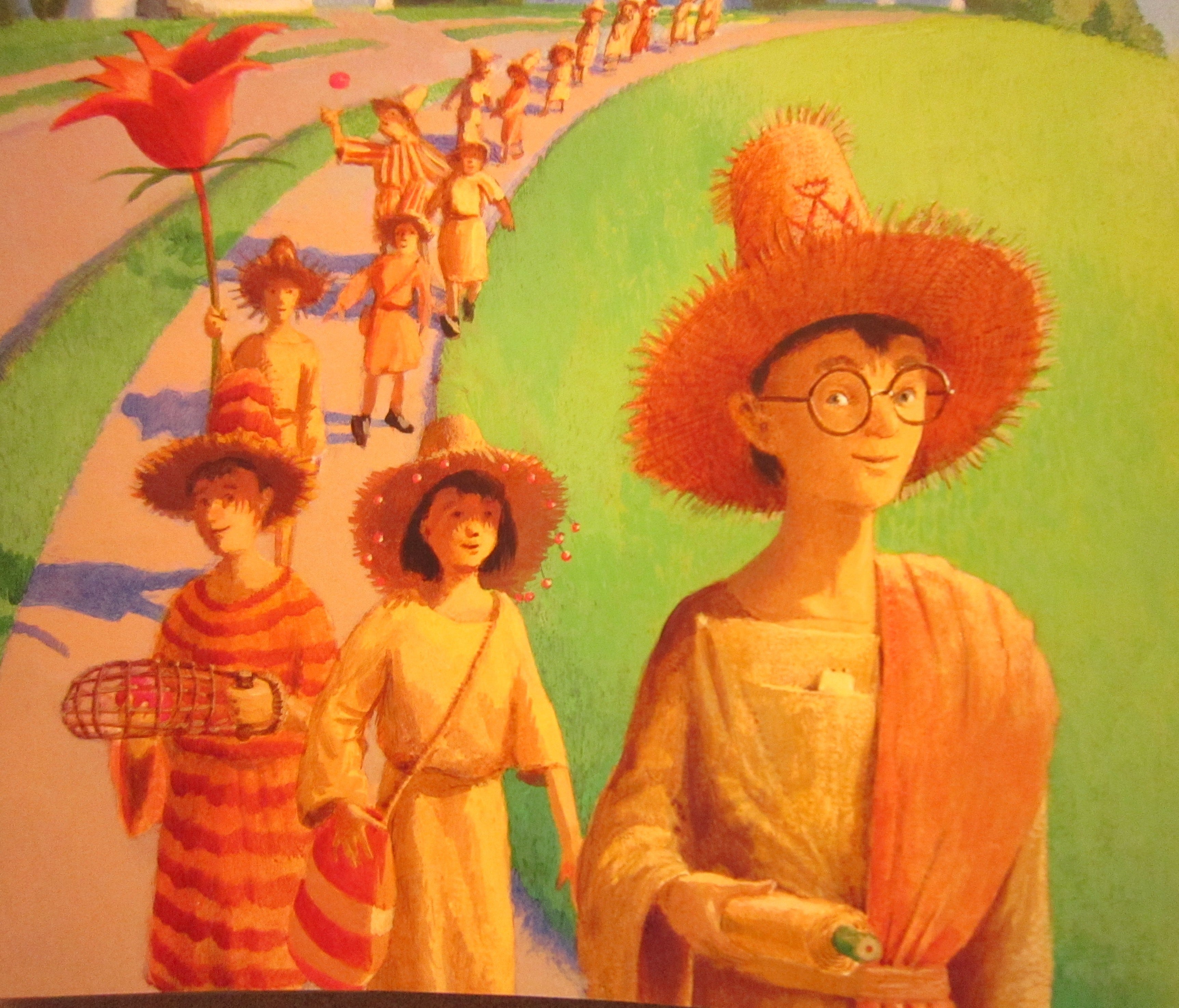
One sees the same dynamic in Paul Fleischman’s Weslandia (1999), a picture book about a lonely boy named Wesley who begins his summer bullied and bored, but one morning finds a strange plant growing in his backyard. As the seedlings sprout, Wesley transforms them into a cornerstone crop. He discovers all sorts of uses for the fibers, flowers, and fruit, and is soon making his own clothes and developing his own alphabet, eventually luring other children into his imaginative world, which is rich precisely because it is absurdly complicated.
Another example is Roxaboxen (1991), by Alice McLarren, about a gang of children living in Yuma, Arizona at the beginning of the twentieth century. Armed with only a few sticks and the sun-bleached rocks of the desert, they quietly construct their own town (mostly in outline), with homes, public services, and a police force. Most interestingly, they recognize the need for rule-governed play, and work out a system of laws concerning ownership and deportment. (This is all based on a true story; the site of the children’s town is now a park that encourages modern-day children to get off their tablets and play with some rocks.)
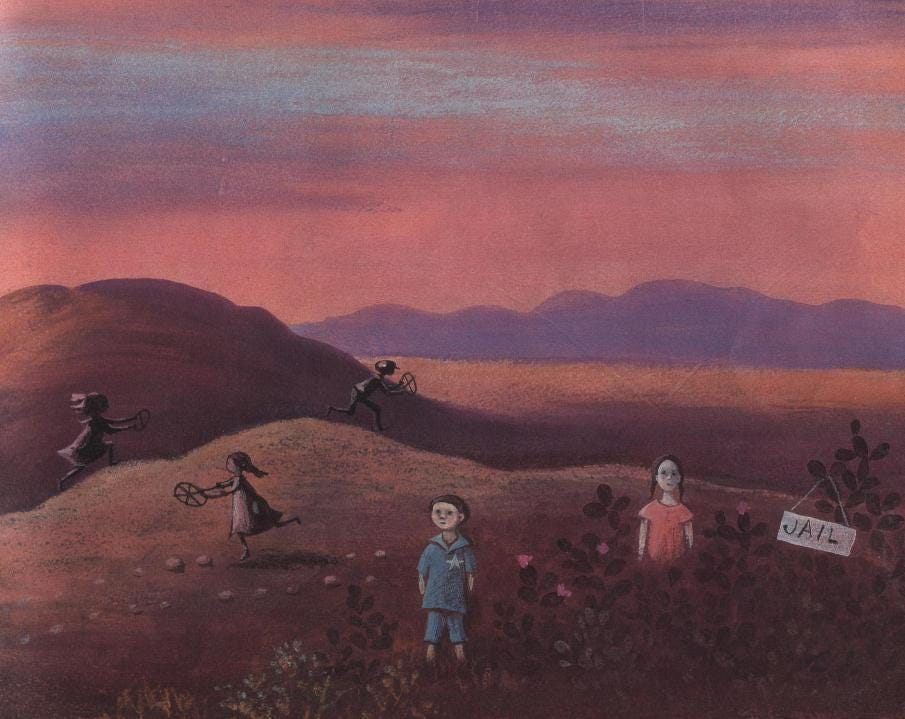
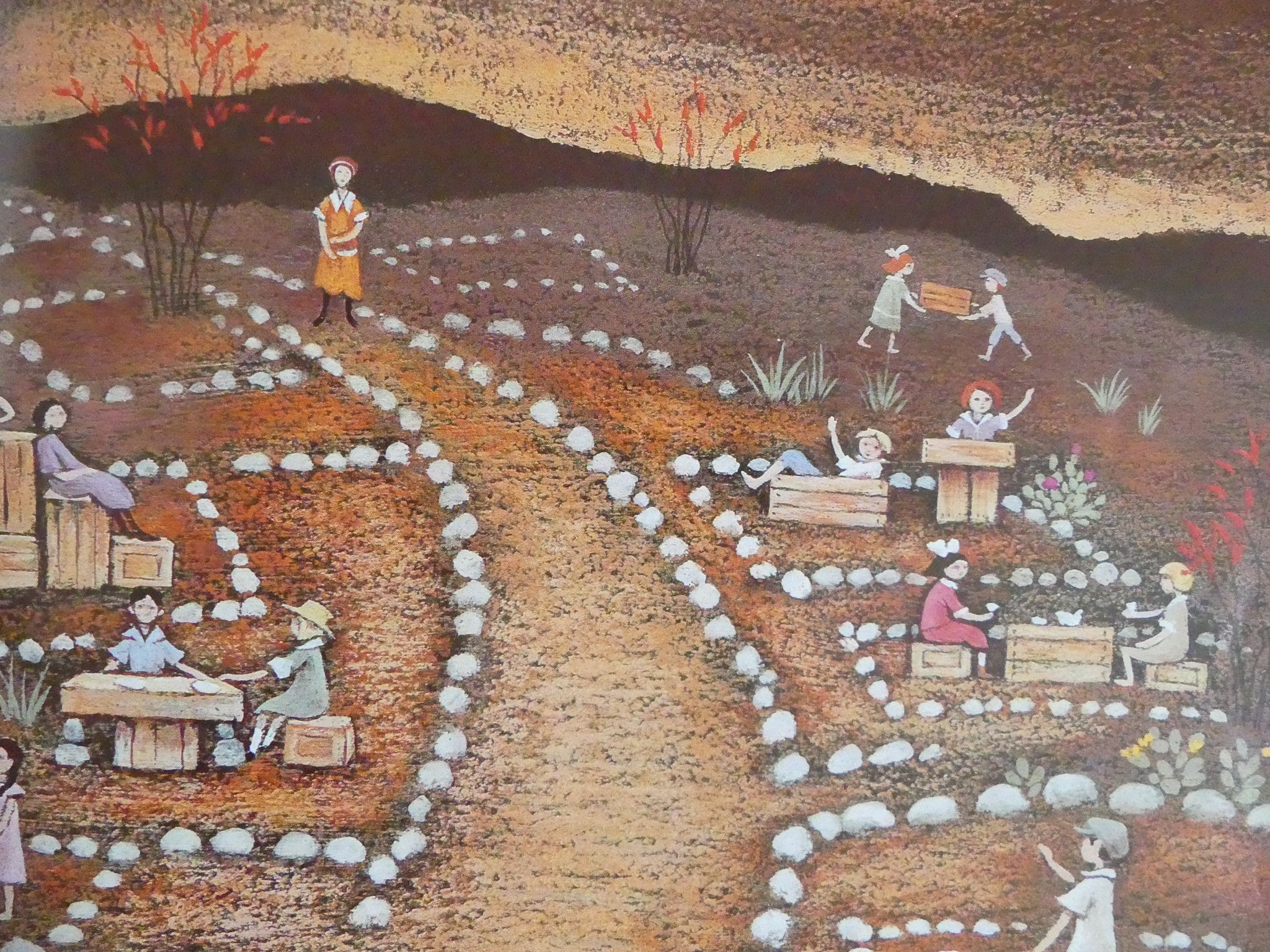
These stories help us see that world-building is interesting not only for its imaginative elements but for its binding element. It demands a voluntary subordination to rules and mutual benefit, a recognition of inter-dependency. It teaches children that arbitrary whims are not much fun. These are the same reasons that John Dewey situates play at the foundation of democratic society, and why he sees children’s “embryonic communities” as both alternatives and introductions to the existing world. It is only through the negotiation of diverse interests in the name of shared experience—assenting to the legitimacy of others’ claims and the necessity of others’ participation—that one can set meaningful goals, achieve recognition, and come fully into being oneself.
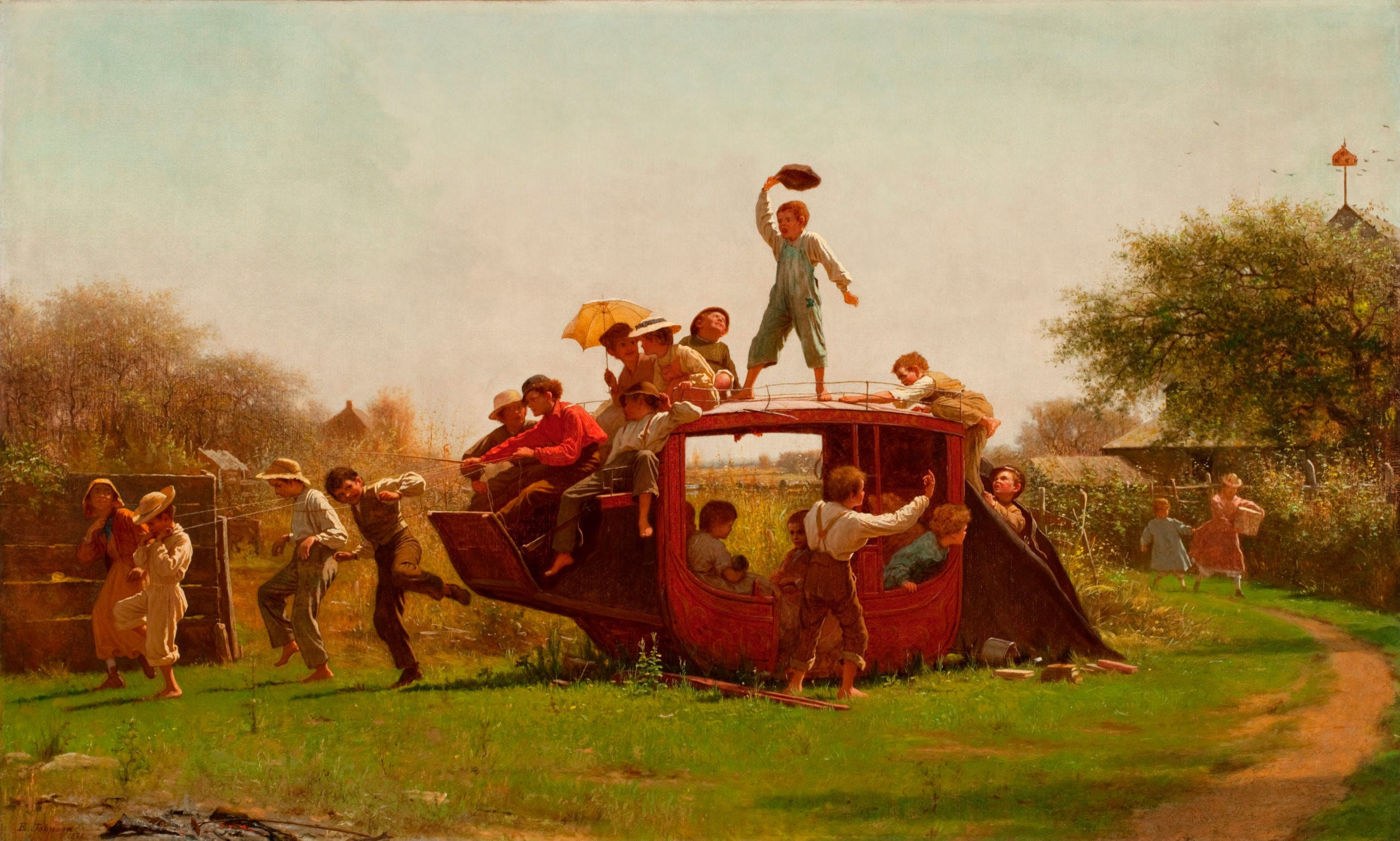
Eastman Johnson, “The Old Stagecoach” (1871)
As I have written elsewhere, it is important that play retain its dual character as both a critique and endorsement of the world as it is. One cannot abandon children to their fantasies, and one should not assume any immaculate innocence on their part (back to Lord of the Flies…and Calvin, for that matter). But it is also important that children understand that the world does not arrive ready-made. By actively experimenting with the principles on which societies operate (particularly the role of collective self-determination), children learn that the world is as it is because of human choices and responsibility, confronting them with questions about their own agency and the type of worlds they would will into being.
Don't forget "The Giver" and "Tuck Everlasting"!